The World Cup of Branding
What purpose-driven brands can learn about why football fans are so loyal to their teams
By Deroy Peraza, Partner at Hyperakt
Branding and football are two of my greatest passions, so it brings me particular joy to bring them together here.
For the next two months, billions of people will watch the World Cup. They'll wave flags, wear kits, and feel genuine pride or heartbreak for teams — many representing cities or countries they've never visited. That emotional pull doesn't happen by accident. It's brand character at work. And it has a lot to teach purpose-driven organizations about why knowing who you are is the most important thing a brand can do.
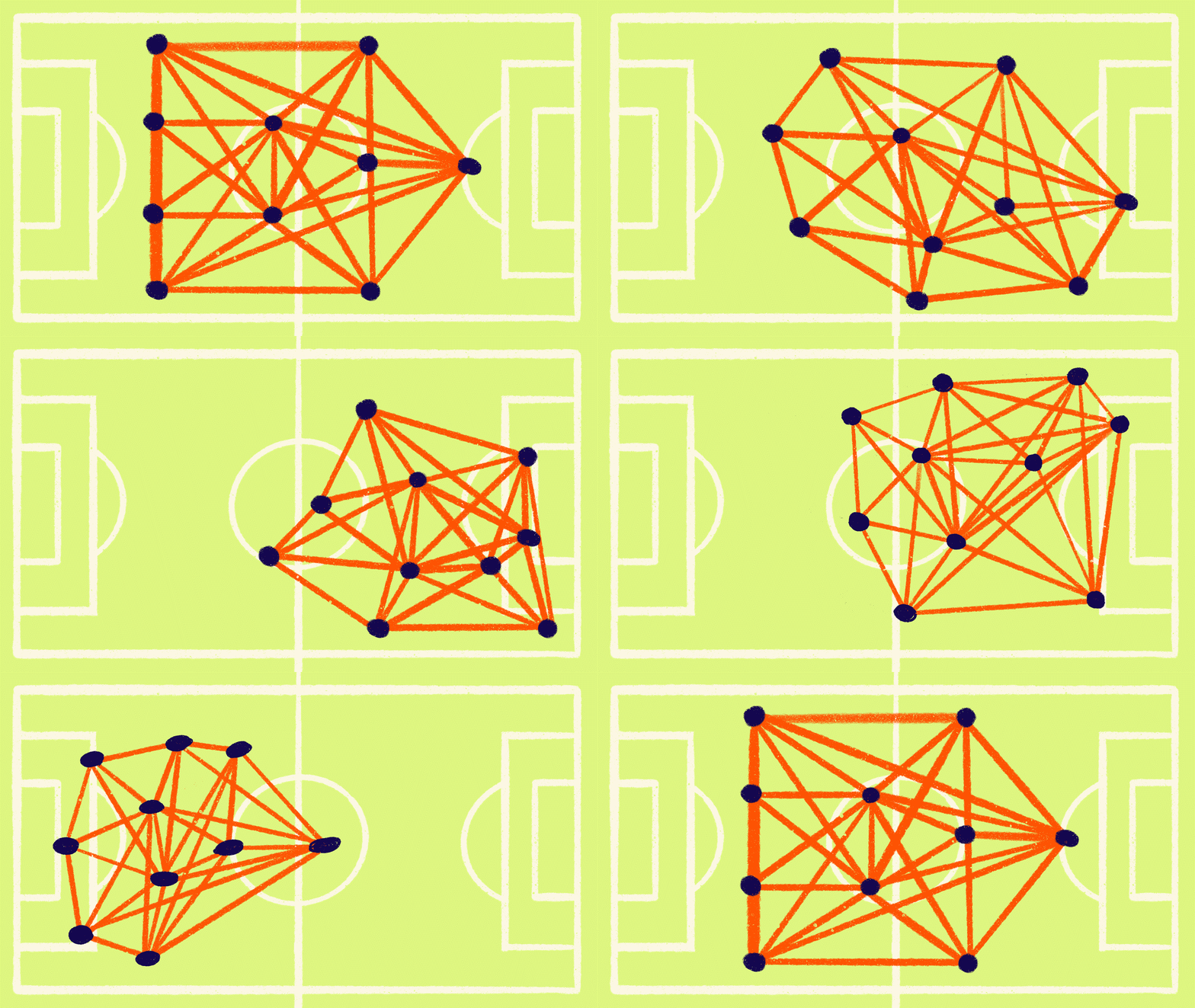
Illustration by Merit Myers
Your brand encodes your organization's DNA. It's the soul that animates your strategy and shapes how people feel about you, root for you, and see themselves in your story. And right now, with the world's attention on football, we have a rare chance to see it operating in its most visceral, visible form.
Defining Your Brand's Character
Before a brand can answer "what do you do?" or "why should I care?", it has to answer a more fundamental question: Who are you? At Hyperakt, our favorite ways to answer that are with your Brand Idea and Personality Attributes:
Brand Idea: The creative expression of who you are and what you believe — a compressed, evocative statement that captures your organization's animating conviction. Not a mission statement. Not a tagline. The idea your brand lives and breathes.
Personality Attributes: The adjectives that describe how you consistently show up — the texture and tone of everything you say and do. Personality is a reflection of culture: it has to be true internally before it can be credible externally.
Together, these elements help define your character in the story you're building and contribute to the mythology of your brand. The most enduring organizations, like the most enduring clubs, become legends not only because of what they achieve, but because of who they are.
We mapped the brand idea and personality attributes of the 48 World Cup national teams and of some of the biggest club sides in the world. Explore both to see the striking contrasts in their character.
Character, Fully Lived
Argentina is a clear example of brand character fully activated. The 2022 champions didn't just have a great story, they made choices that turned it into legend. The AFA officially adopted "Muchachos," a fan-written chant, as the team's pre-match anthem. Scaloni built the entire emotional architecture of the tournament around one idea: this is Messi's moment. When Messi wept at the final whistle, it was the culmination of a story Argentina had been choosing to tell for years. Maradona chose to be transcendent in 1986. This team chose to build a World Cup around their greatest player's redemption. For purpose-driven organizations, that's the lesson: character doesn't just show up. You have to decide to activate it.
Why Character Is What Makes Brands Stick
These elements aren't just relevant for sports teams. In any crowded field, character plays a direct role in how distinctive and influential your brand is. We measure its effects across several indicators of our Nonprofit Brand Score:
- Memorability: People don't remember what you said. They remember how you made them feel. Character drives that feeling. Logos and taglines can be copied; character is harder to mimic.
- Affinity: Branding is as much about what you're not as what you are. A defined character attracts the right people and naturally distances you from those who aren't your audience. That specificity is what builds genuine affinity, not trying to be everything to everyone.
- Magnetism: Audiences ask two questions in order to earn their trust and loyalty: Does this align with my values? Can I relate to it? Character is the mechanism that answers both. Relatability is what the audience tests for; Magnetism, that pull toward belonging, is what a brand earns when it passes.
- Authenticity: Affinity and magnetism only hold if the character is real. Authenticity measures the alignment between who you say you are and how you actually show up — which is why character has to be built from the inside out before it can work on the outside.
When character is clear, everything aligns. When it isn't, audiences feel the dissonance even if they can't name it.
Brand Character in Practice
When Brand Idea and Personality align, they inform everything: how you speak (verbal identity), how you look (visual identity), how you act (decisions, partnerships, priorities). Here's what it looks like in our own work for purpose-driven organizations.
Don't Take Your Brand Character for Granted
Character isn't decoration or marketing fluff. It gives your organization a compass for how to show up. When your brand knows its character, your people can express it with clarity and pride. Football clubs help us see this: generations of fans who feel their team's wins and losses as their own because they can relate to their brands.
Every organization has a character. It's informed by history and by the people who are a part of it. But that character needs to be deliberately defined so everyone can refer to it and live by it. The World Cup reminds us that character isn't a luxury or an afterthought. It's what turns recognition into loyalty, and loyalty into belonging.
That matters more for purpose-driven organizations than perhaps any other sector. The people in your orbit — donors, partners, grantees, funders, volunteers, supporters — aren't customers making a one-time transaction. They're investing in long-term relationships where trust and connection deepen over time. That kind of commitment doesn't happen for just any brand. It happens for brands with character.
Ready to dive into defining your brand's character? Reach out to explore how to get started.