Brand Architecture for Nonprofits
Make sense of how programs, partnerships, and initiatives relate to your organization.
By Deroy Peraza, Partner at Hyperakt
Many nonprofit brands we encounter are carrying a quiet burden: a growing web of programs, initiatives, campaigns, funds, coalitions, and partnerships that have accumulated over time, without a unifying strategy to hold them together.
Each new effort made sense at the moment. A grant required a name. A partnership needed its own identity. A campaign wanted visibility. Over time, brands sprouted—well-intentioned, mission-driven, and often effective on their own.
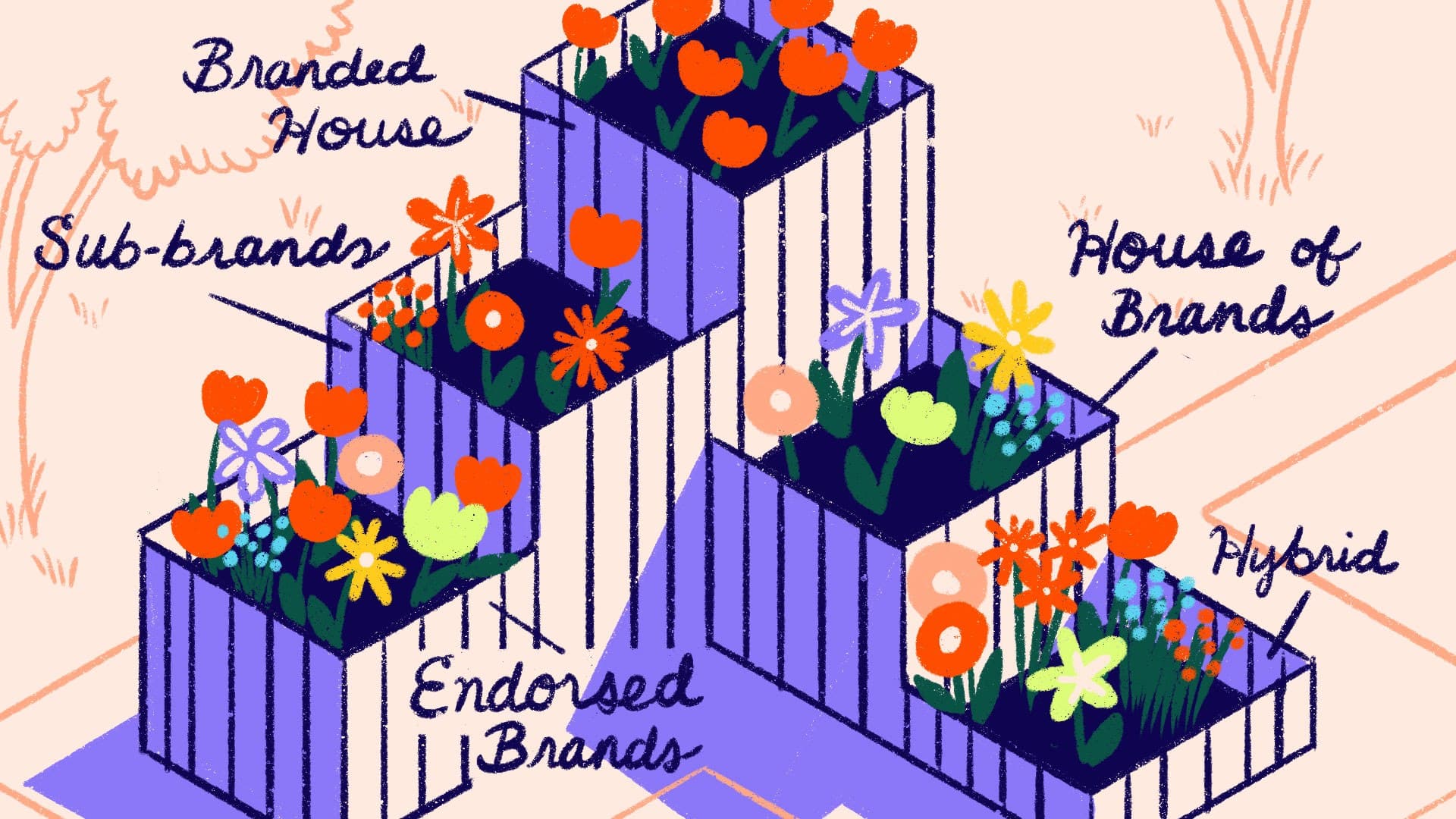
Illustration by Merit Myers
When nonprofits don’t intentionally organize how their brands relate to one another, complexity takes over by default, which results in confusion. Teams slow down. Audiences struggle to understand what belongs to whom. Brand equity leaks instead of compounding.
Without a clear system, the whole becomes harder to understand than the parts. That’s when you know it’s time to Marie Kondo your brand closet.
Taking control of your brand isn’t just about messaging or design. It also means taking control of how your brand is structured. That work is called brand architecture.
What Is Brand Architecture?
Brand architecture is the system that defines how your organization’s brands relate to one another. It clarifies what you lead, what you support, and what you share. Done right, it replaces improvisation with intention. Instead of debating every new decision, teams can rely on a shared logic that guides growth over time.
Before getting into the kinds of questions that need to be asked to arrive at that shared logic, let’s quickly review some of your options.
Brand architecture is the map that helps you see the forest and the trees.
Common Models
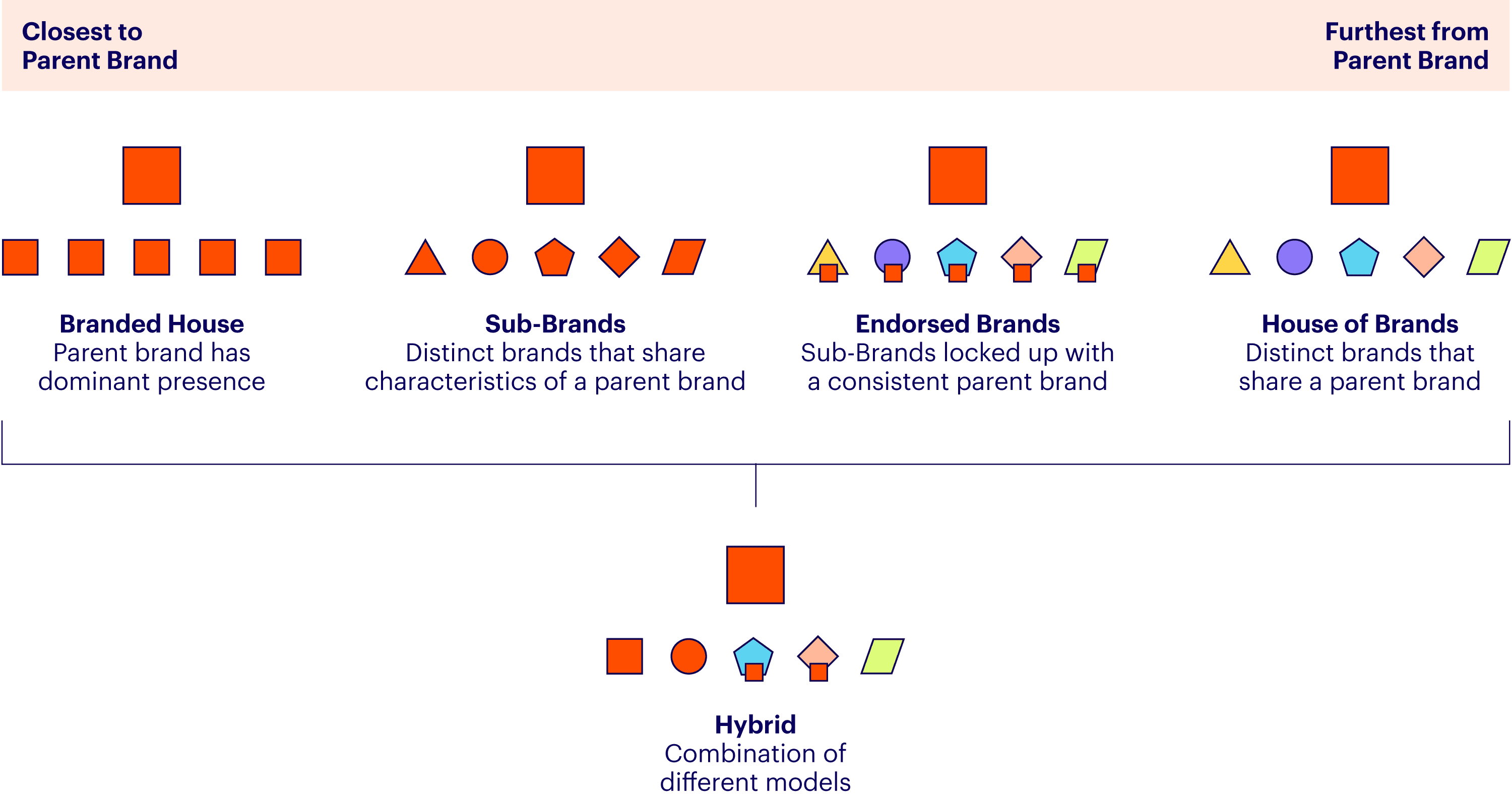
There’s no single “correct” model. The right approach depends on how tightly you want initiatives connected to the parent brand and how much independence they need.
Branded House
The parent brand leads. Programs and initiatives are expressed as extensions of a single, unified identity. This concentrates equity and makes the breadth of work easy to understand.
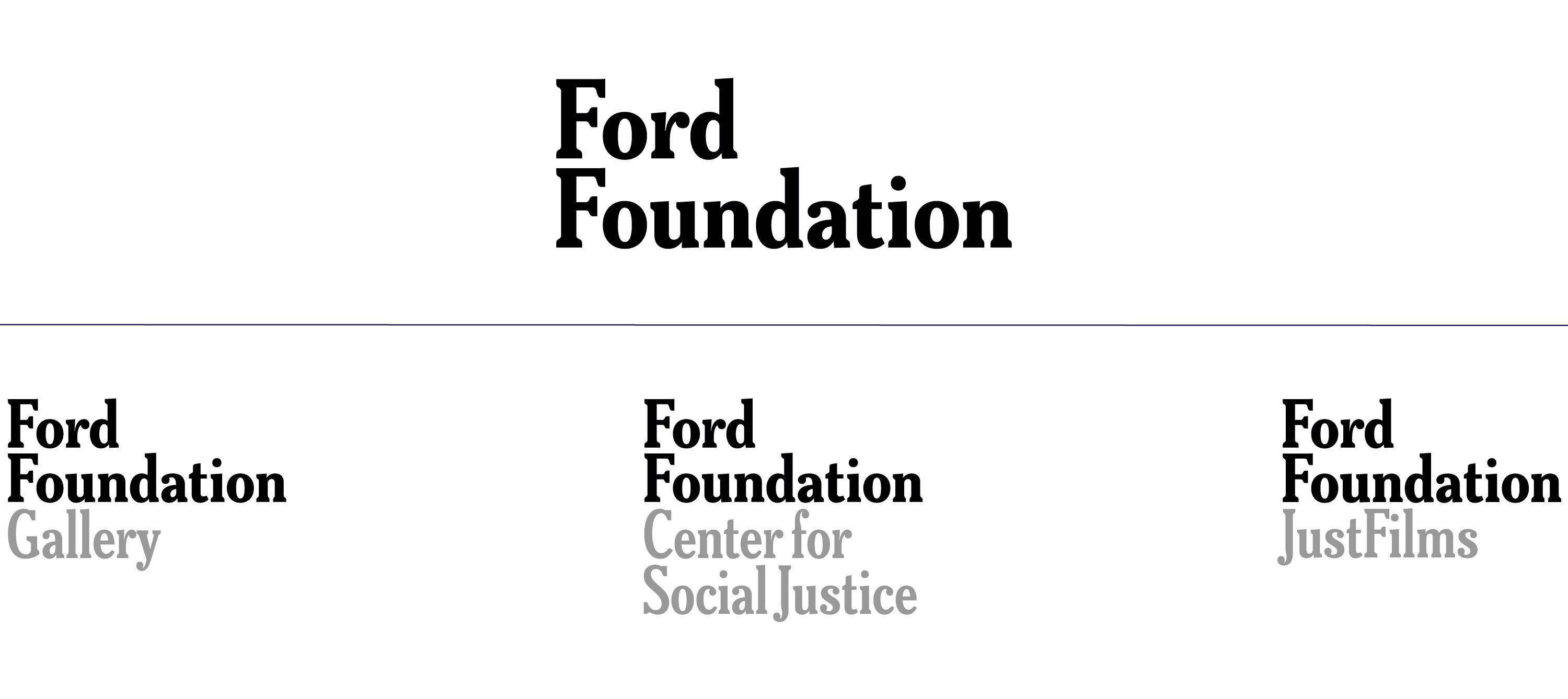
Ford Foundation’s branded house unifies its multiple brand properties.

iMentor uses a branded house to identify the geographies where it works.
Sub-Brands
Initiatives remain clearly connected to the parent brand but have room for distinct expression. This allows customization while still benefiting from shared trust—so long as variation is carefully governed.
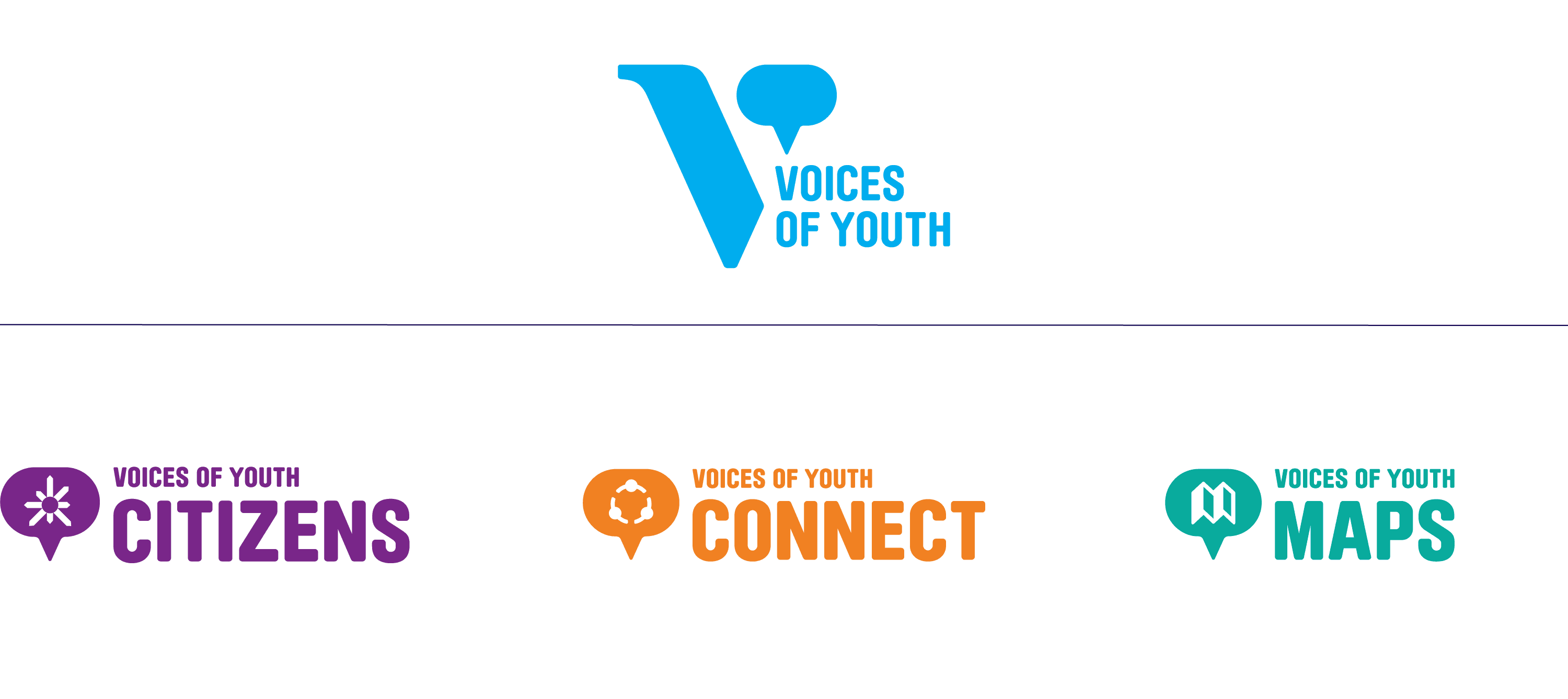
Voices of Youth sub-brands are used to distinguish program areas,
leveraging the speech bubble in the parent brand as a common element.
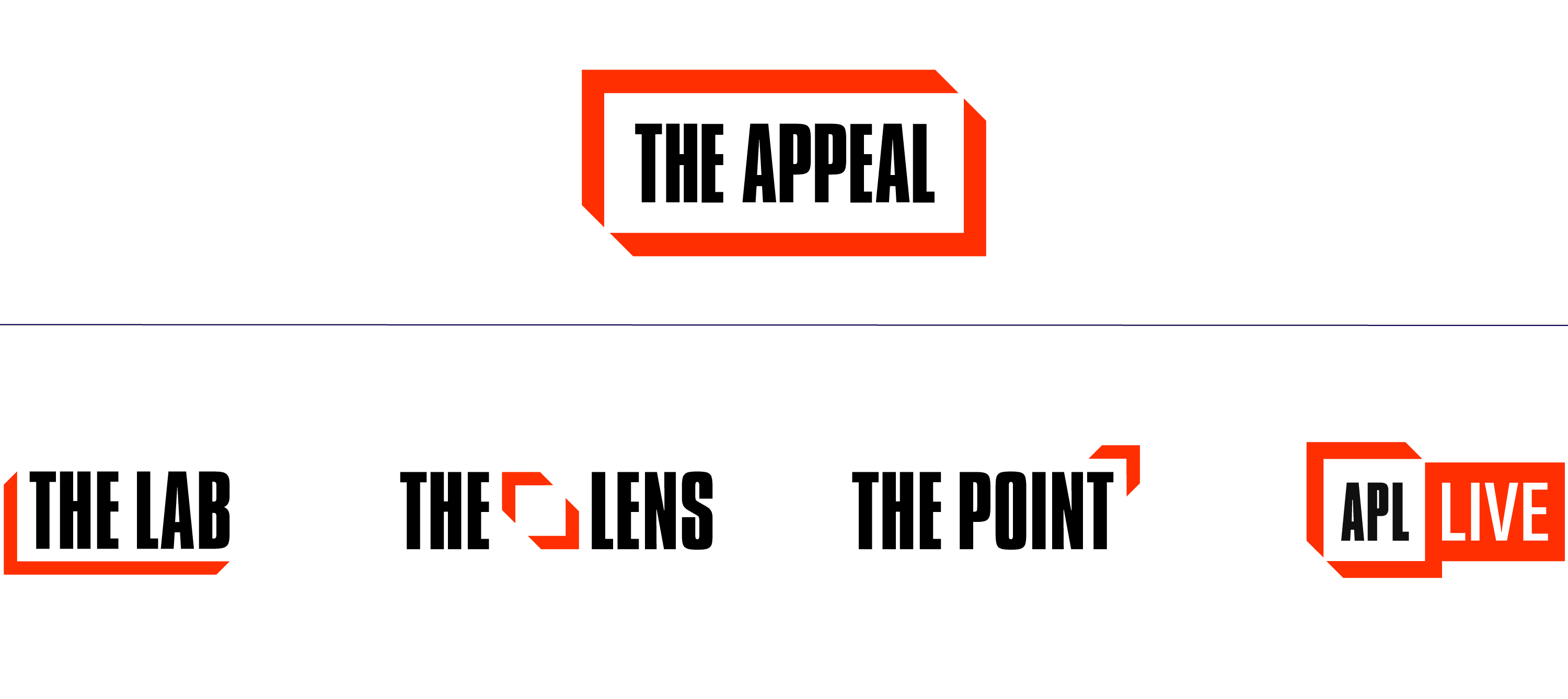
The Appeal uses its signature orange corner frame to anchor every
product vertical sub-brand to the parent brand.
Endorsed Brands
Sub-brands have their own identities but are visibly connected to the parent through an endorsement. This lends credibility without overshadowing, and works well when initiatives require distinct positioning.
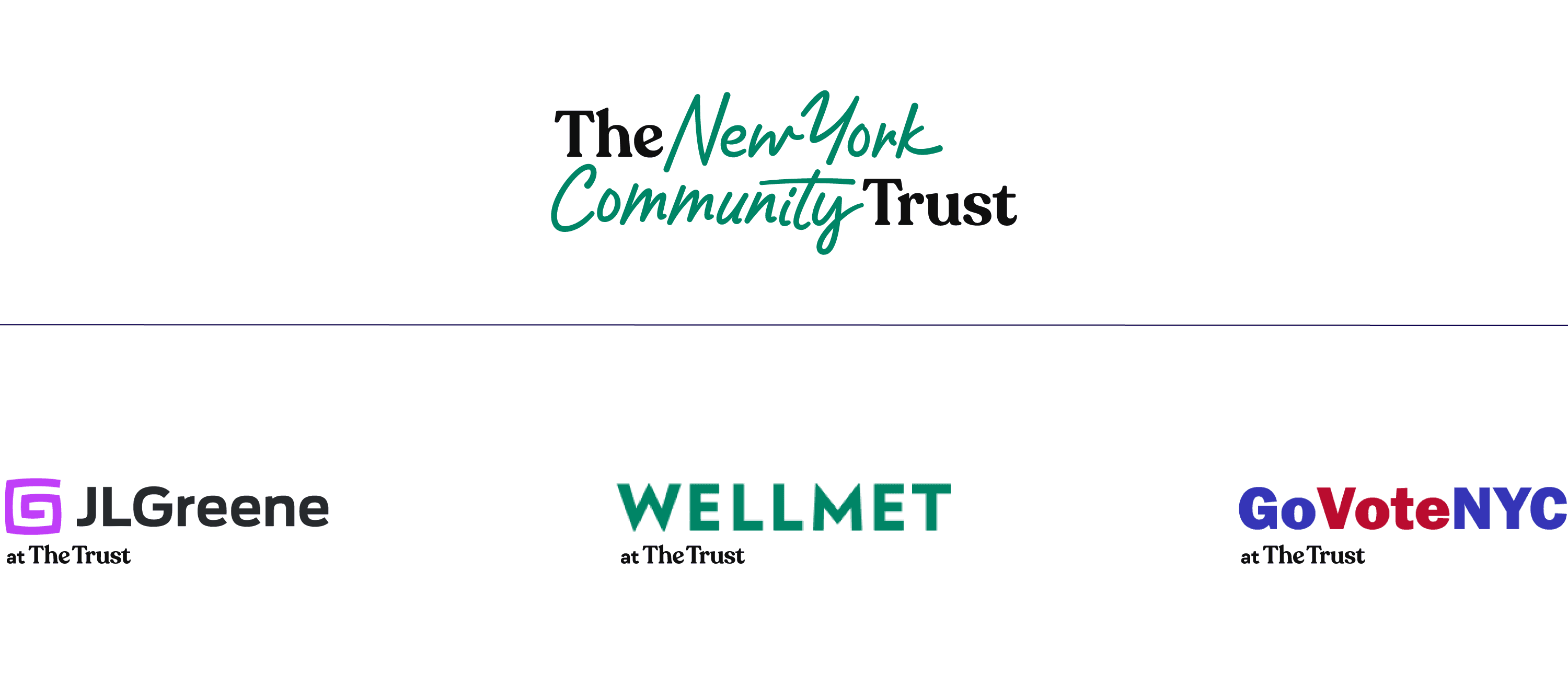
The New York Community Trust uses the endorsed brands model to
support various funds partners have entrusted them with.
House of Brands
Initiatives function as independent brands under a shared organizational umbrella. This is resource-intensive, but useful when brands serve very different audiences or different needs than the parent brand.
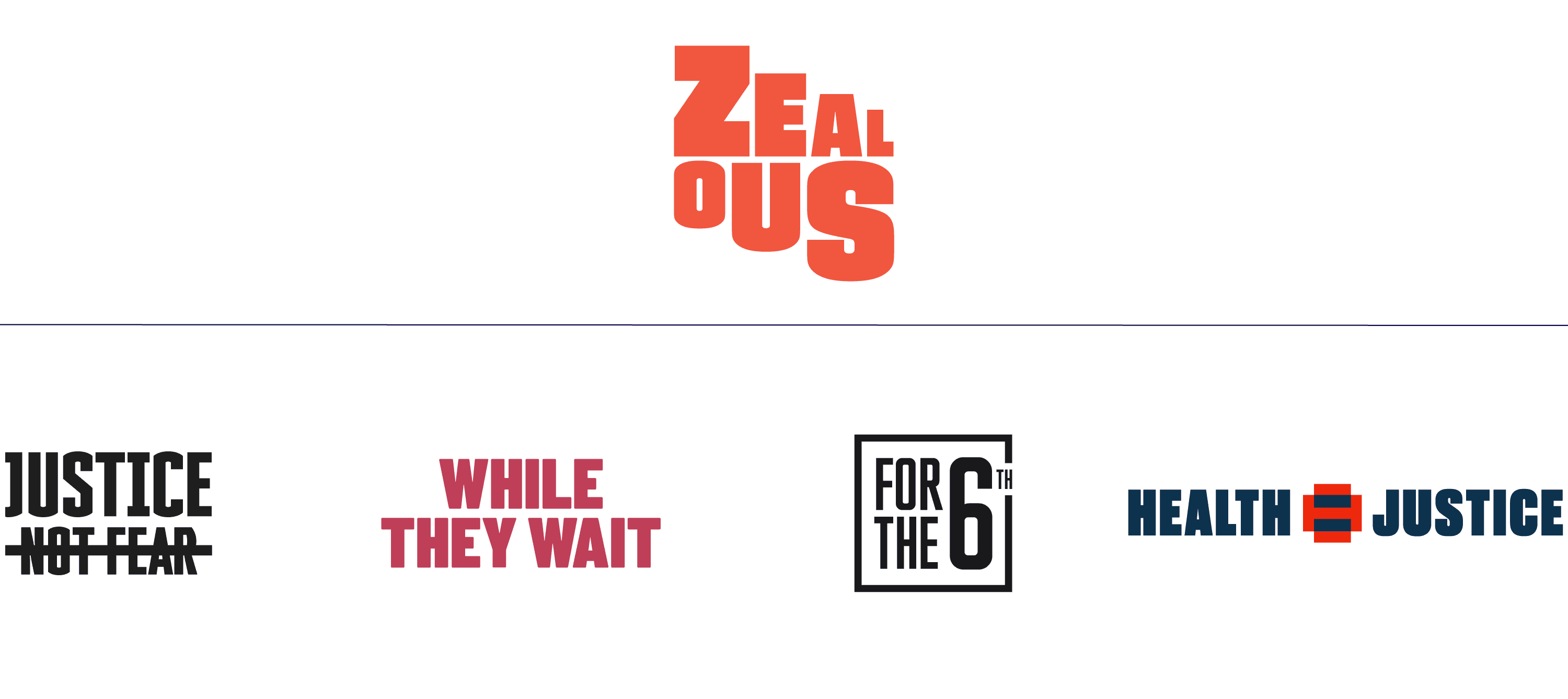
Zealous creates separate campaigns to raise awareness about a variety of
legal justice issues. In their house of brands, each campaign has its own unique brand.
Hybrid
Organizations with more complex brand ecosystems combine these approaches. Hybrids offer flexibility, but this means it’s especially important for the rules to be explicit. Without them, flexibility quickly turns into fragmentation.
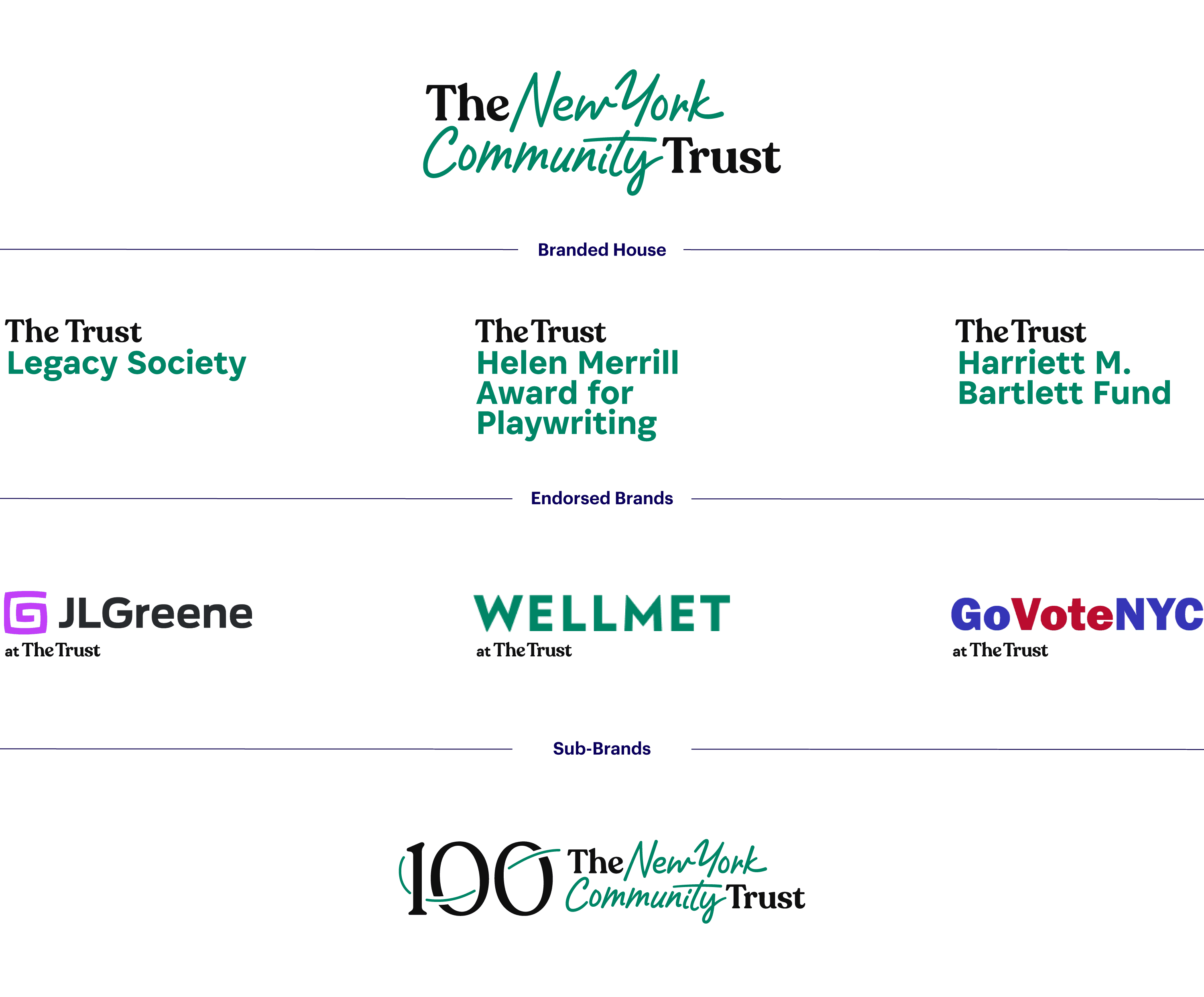
The New York Community Trust has a complex ecosystem of managed funds.
They use a hybrid approach to communicate their different ownership structures.
How Do You Choose the Right Structure?
Choosing an architecture isn’t about picking a model off the shelf. It’s about answering two strategic questions.
Where do we need to build brand equity?
In other words: what must clearly strengthen the parent brand over time?
- Which initiatives define who you are and what you stand for?
- Where does your credibility help programs succeed and where might it overshadow partners?
If equity is your most valuable asset, this question clarifies where it should accumulate.
Where do we need stronger rules?
As organizations grow, ambiguity multiplies. This question is about governance.
- If we move beyond a branded house, are you prepared to support multiple brands with clarity and consistency?
- Does your naming convention and logo work graphically to support extensions, endorsements, lockups, and partnerships or does it create practical barriers?
Brand architecture is simpler than it seems. Decide where equity should grow. Then define the rules that protect it. This clarity will help you prevent every new initiative or partnership from becoming a debate.
Tending the Garden
Without intention, things still grow—but not always where and how you want them to. Some initiatives crowd out others. Some never get the light they need. Over time, your brand becomes harder to navigate and care for.
With the right planning, structure, and optimization, growth becomes deliberate and manageable.
Each part of your brand’s ecosystem should support the health of the whole.
If your brand feels cluttered or disorganized, the root may not be a design problem. It may be a structural one. When you take care of the system beneath the surface, everything above it has a better chance to flourish.
When you’re ready to decide where your equity grows—and how to protect it—we’re here to help.